Cancer Intelligence Programme
Cancer Biology · Omics Technology · Multi-Omics Integration · Single-Cell RNA-seq · Python · BioPython · AI. Learn the biology, understand the data, practise the code, then complete a guided cancer bioinformatics project.
Cancer Intelligence Programme
By London School of Multiomics & AI
A practical journey into cancer biology, omics and AI.
Cancer is a complex molecular disease shaped by changes in genes, RNA expression, signalling pathways, cellular behaviour, immune response and the tumour microenvironment.
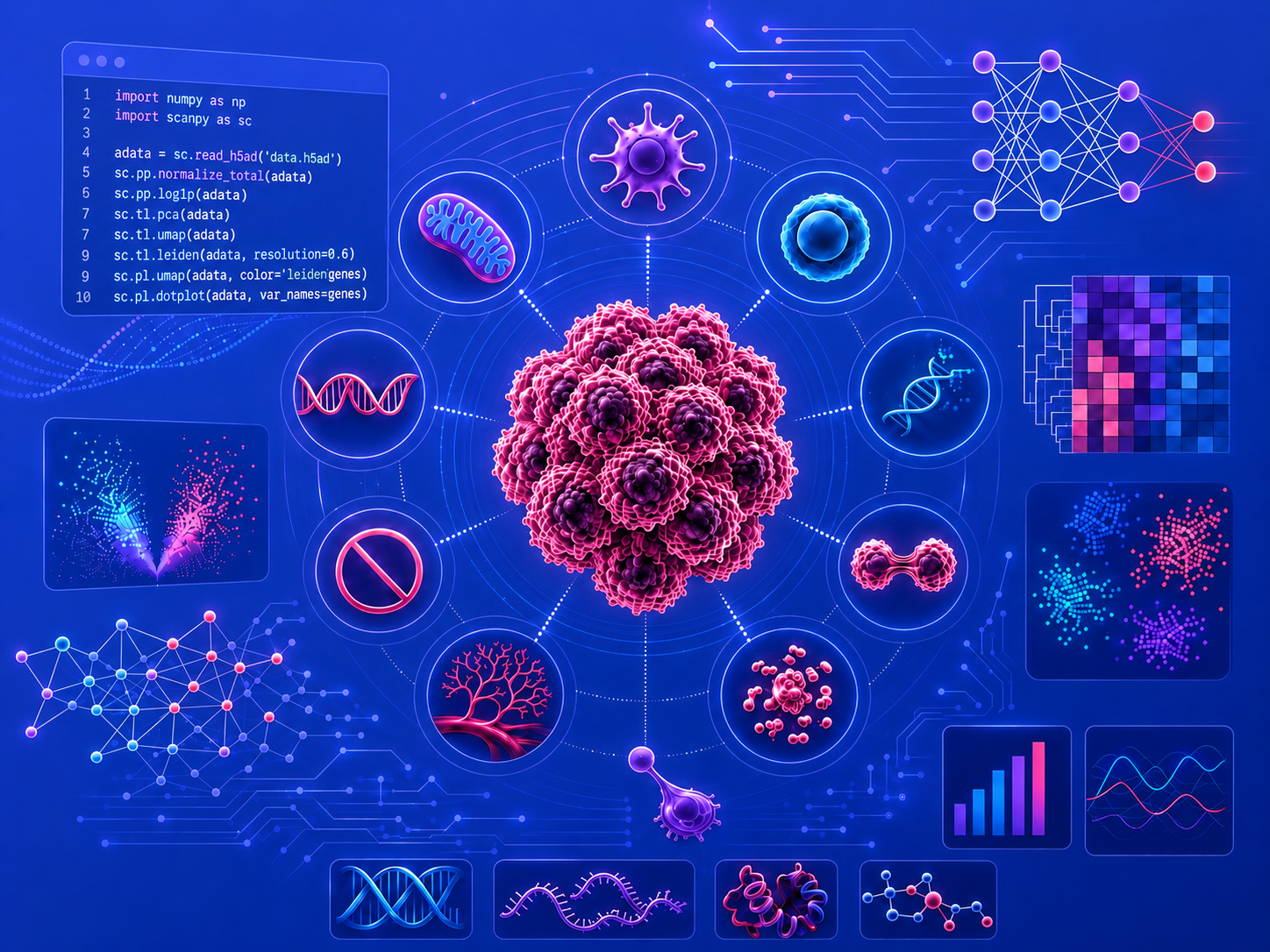
This programme takes learners from cancer biology to omics technology, multi-omics integration, single-cell analysis, Python, BioPython and AI foundations. By the end, learners complete a guided cancer intelligence project with figures, biological interpretation and a code notebook.
From cancer molecules to AI models.
Seven interconnected learning pillars + a guided final project — built to take you from biology to working code.
Cancer Molecular Biology
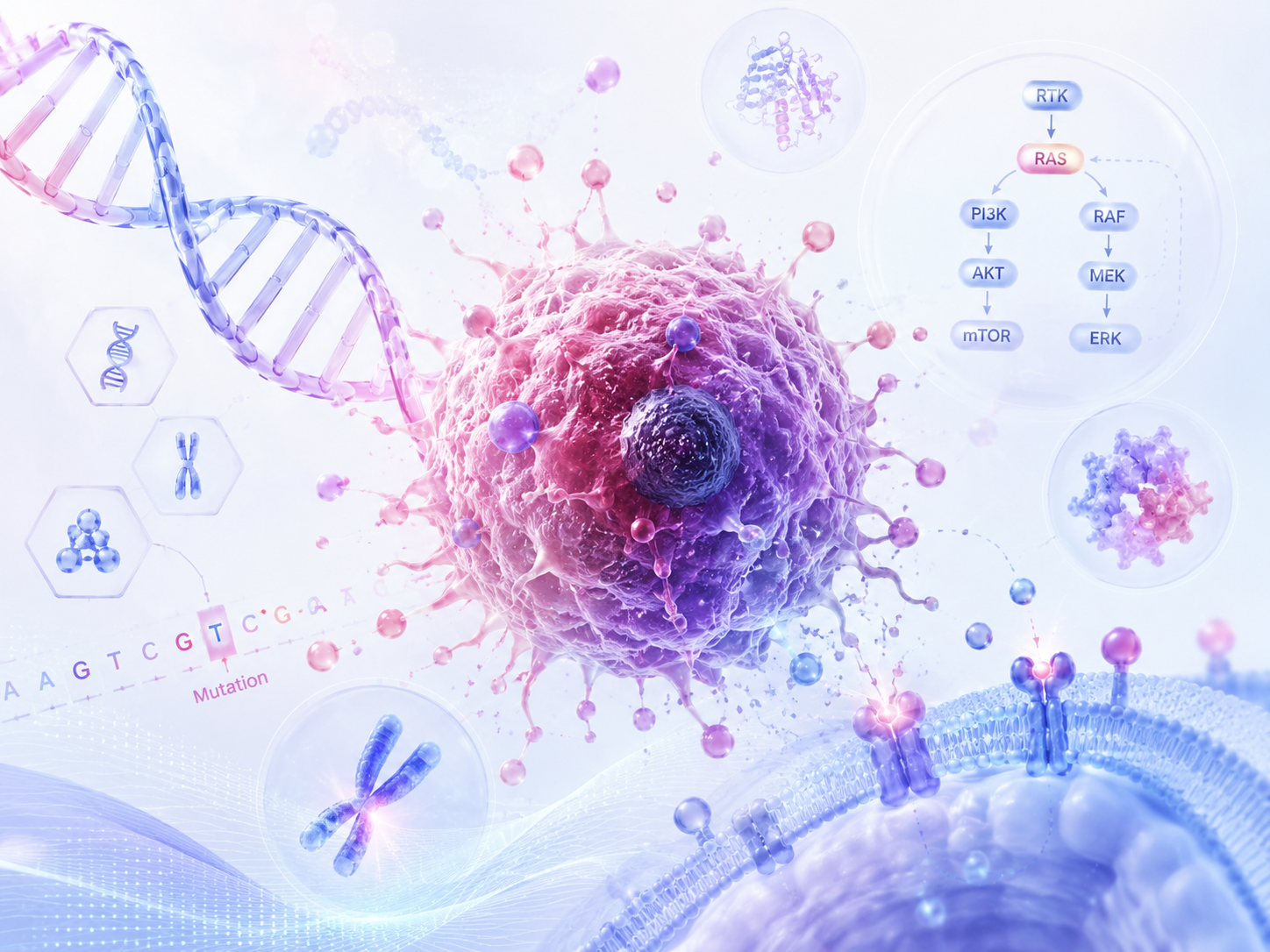
Mutations, genes, signalling pathways, tumour suppressors and the hallmarks of cancer.
Introduction to Omics
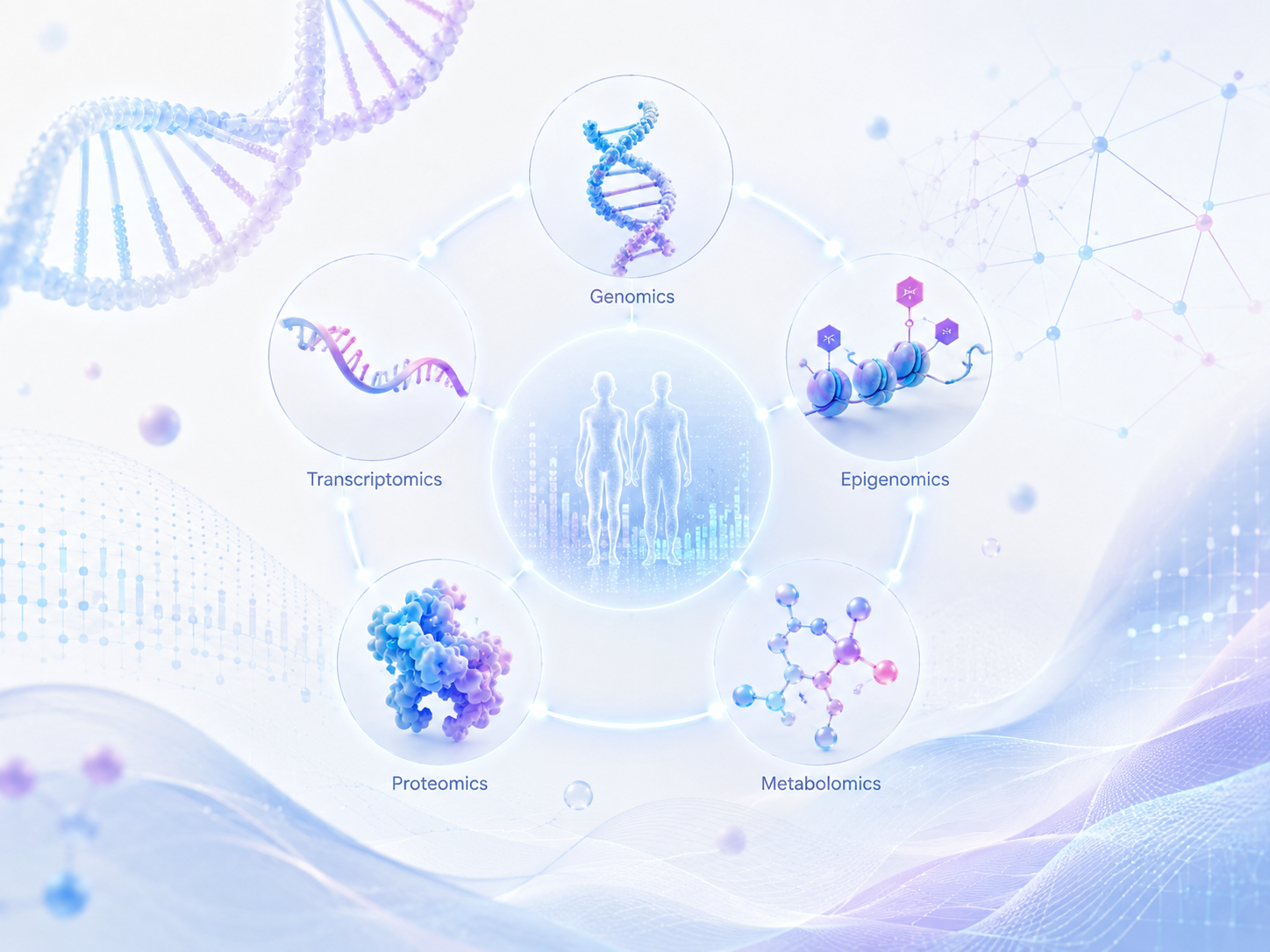
Genomics, transcriptomics, epigenomics, proteomics and metabolomics in cancer research.
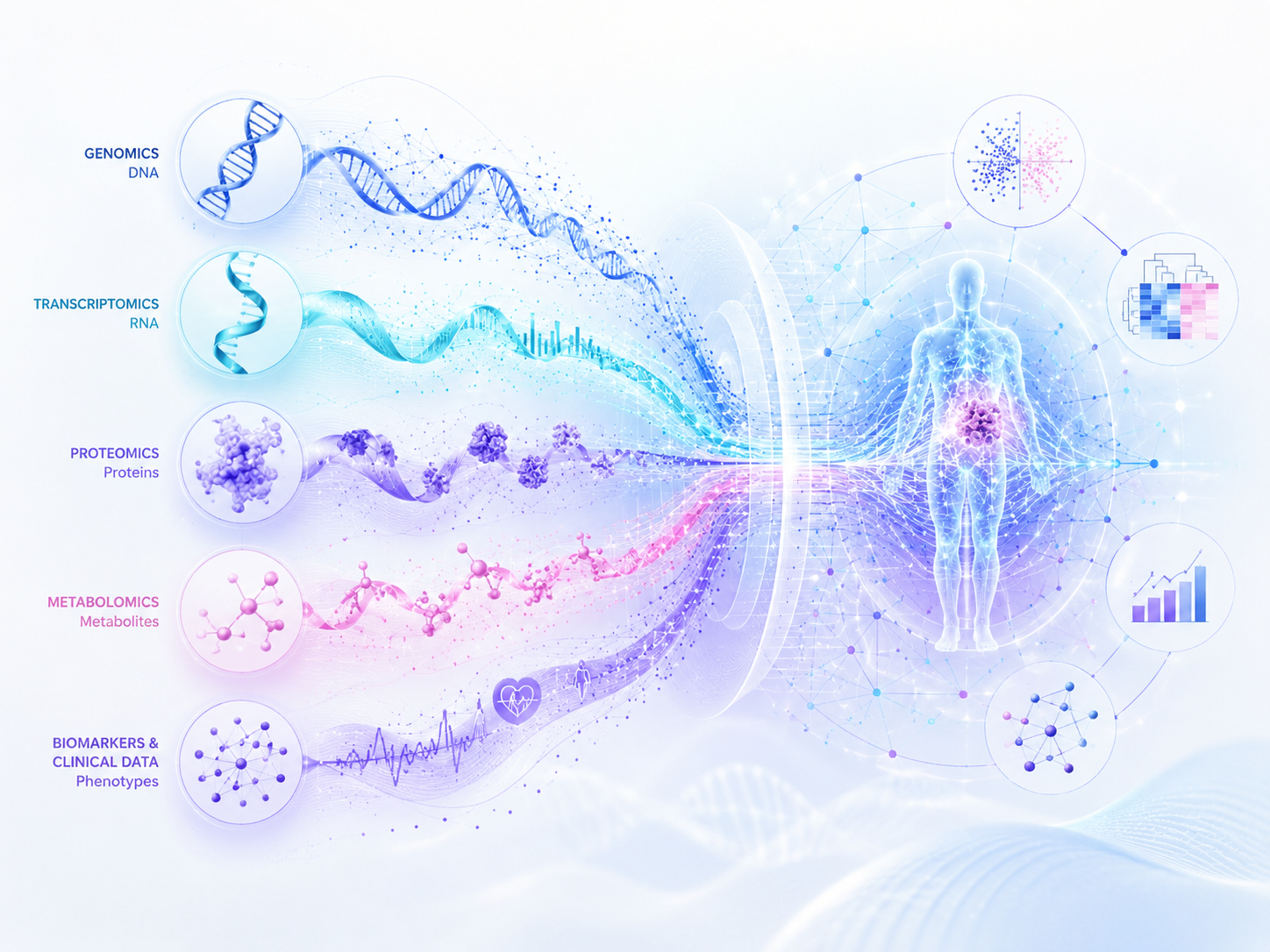
Multi-Omics Integration
Connecting omics layers for biomarker thinking and cancer interpretation.
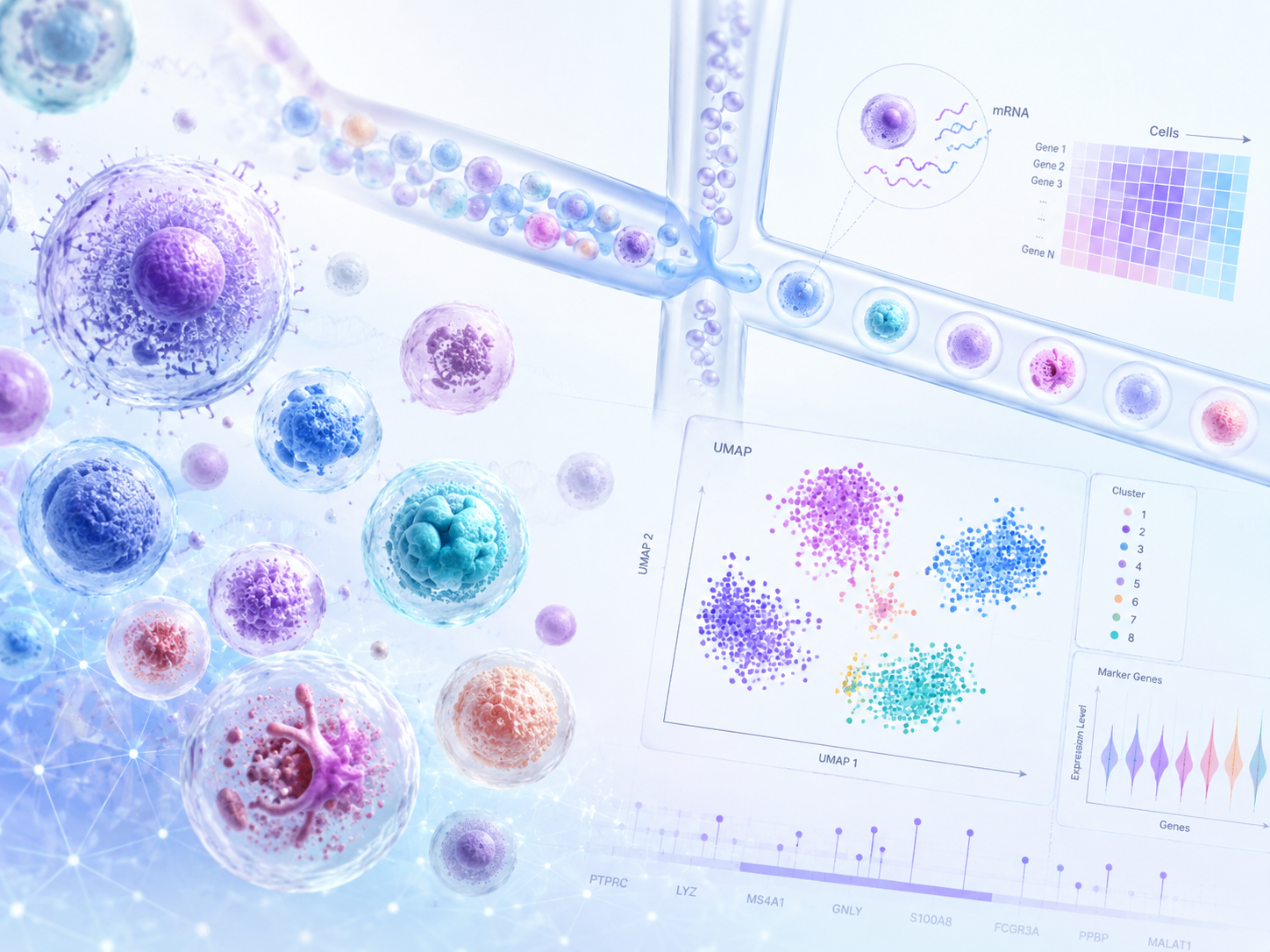
Single-Cell RNA-seq
Tumour heterogeneity, UMAP, clustering, marker genes and cell-type annotation.
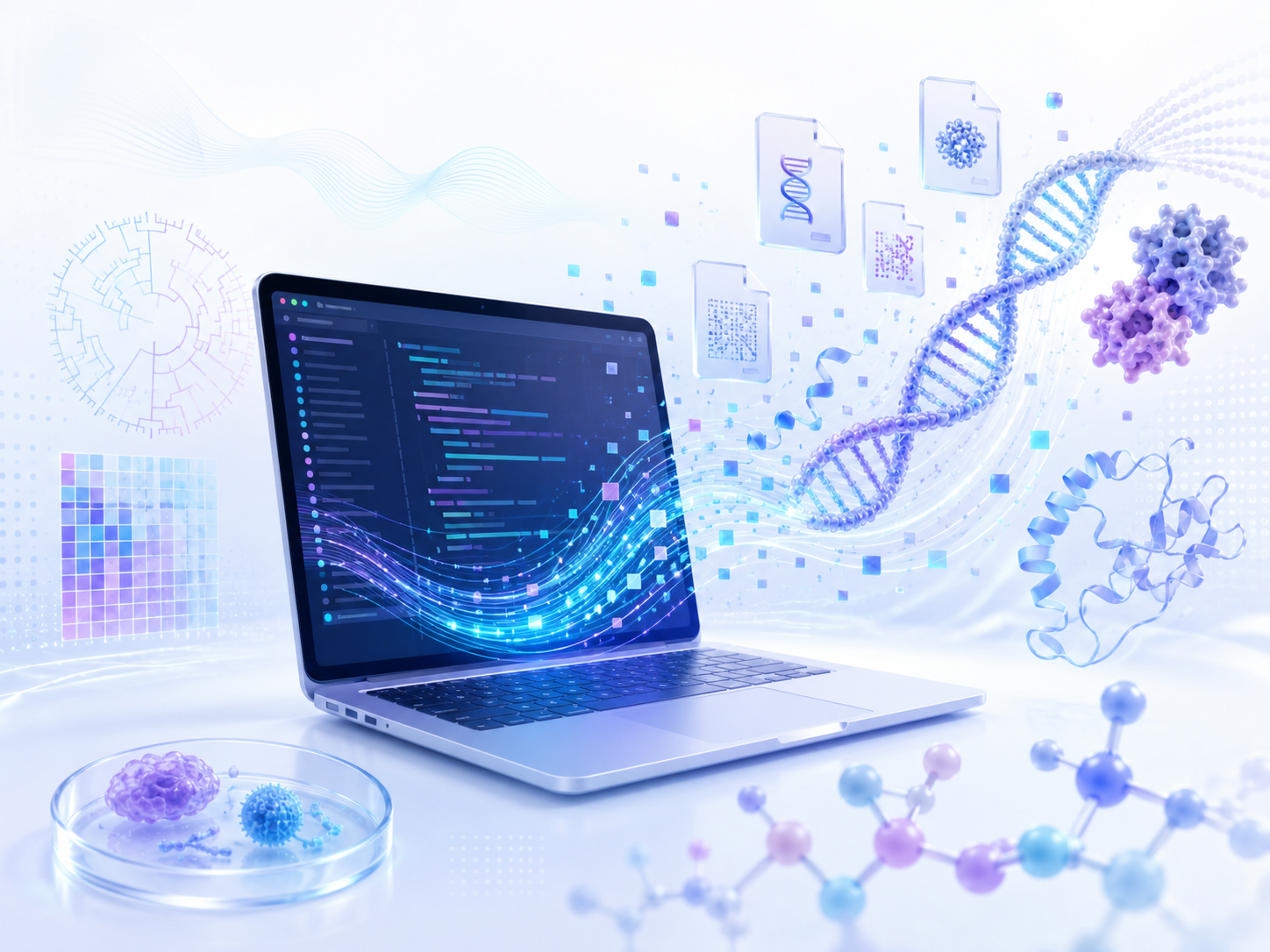
Python & BioPython
Data handling, biological files, sequences and biomedical datasets in code.
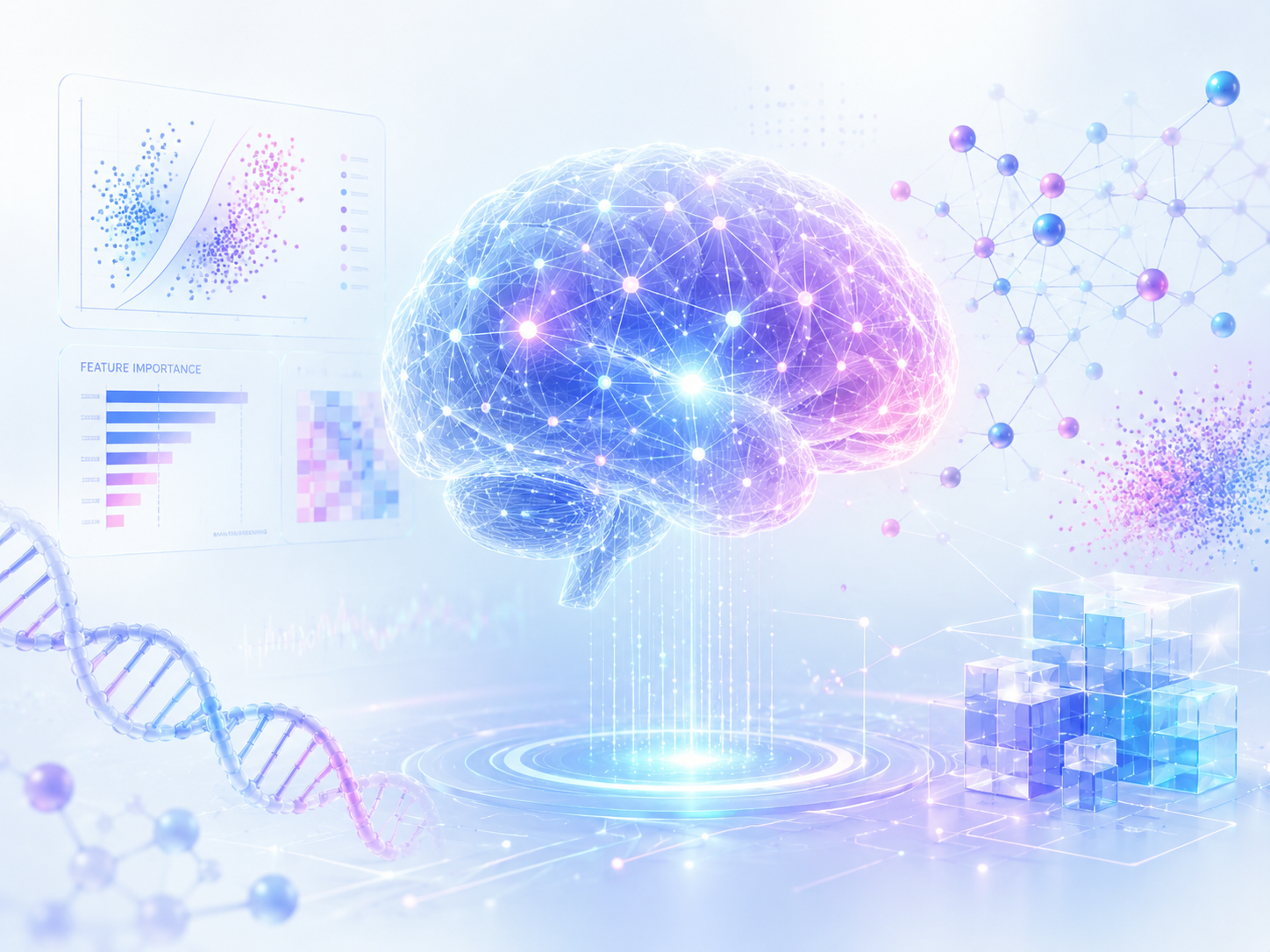
Machine Learning & AI
Features, labels, model evaluation, feature importance, intro neural networks and AI agents in biomedical research workflows.
Cancer Intelligence Research Project
Bring together cancer biology, omics interpretation, Python, BioPython and AI thinking into a mini research-style report with figures, code notebook and biological interpretation — your portfolio piece.
- Mini research-style report
- Figures from the analysis
- Code notebook (Jupyter / Colab)
- Biological interpretation
- Final project submission
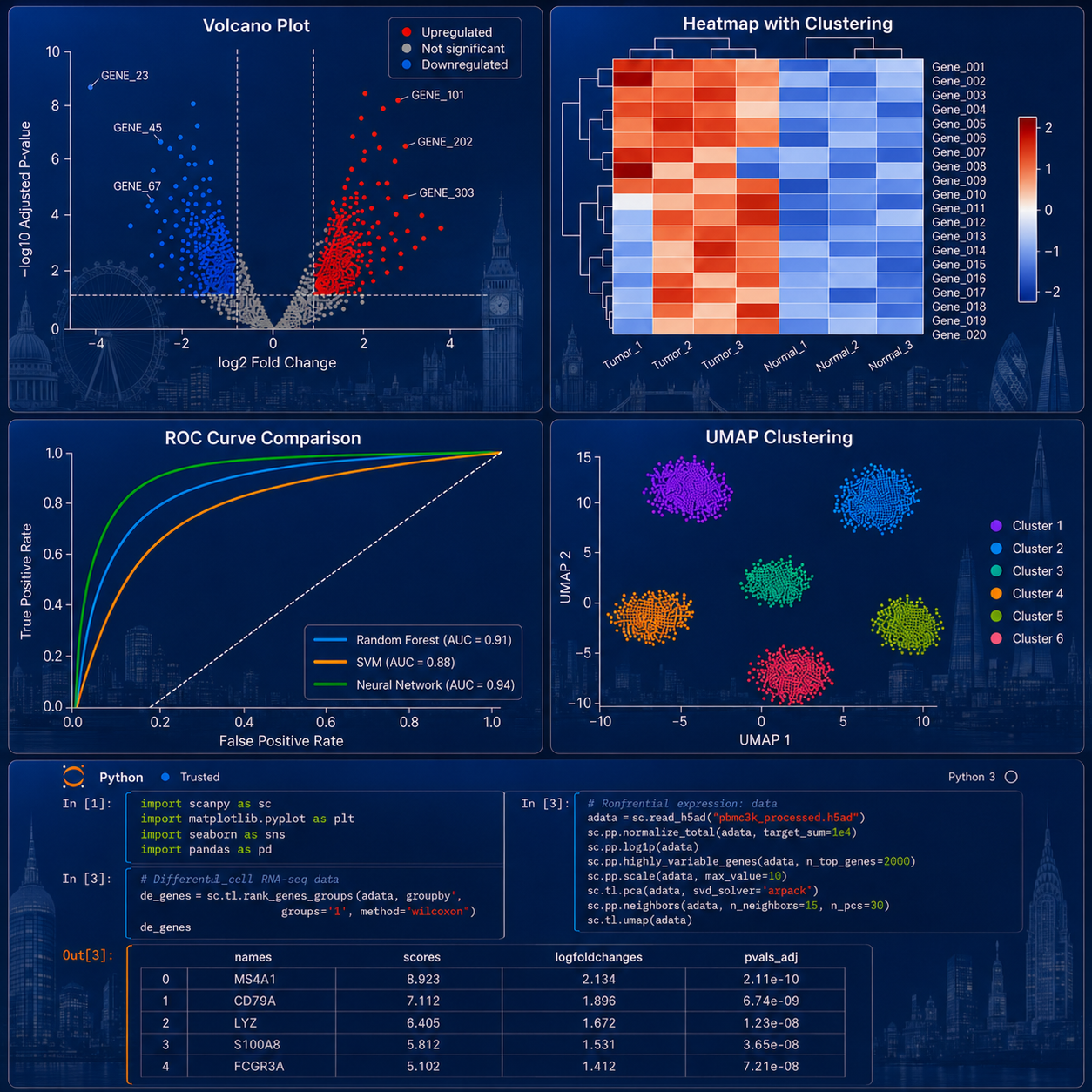
Designed for learners building strong foundations.
Built for those who want strong foundations in cancer omics, bioinformatics, Python and AI. No advanced coding experience required — only readiness to engage with biology, data and practical exercises.
Biomedical & Biology Students
Undergraduates and postgraduates extending lab knowledge into molecular data and computation.
Molecular Biology Learners
Researchers connecting wet-lab molecular biology to omics interpretation and AI workflows.
Pharmacy Students & Graduates
Build cancer omics fluency relevant to precision medicine, drug response and therapeutic discovery.
MSc & PhD Students
Strengthen your research toolkit with multi-omics integration, single-cell analysis and ML.
Early-Career Researchers
Add computational and AI depth to a biology-first research profile.
Healthcare Professionals
Clinicians and scientists translating omics insight into precision oncology thinking.
Bioinformatics Beginners
A structured entry into coding, data and AI through a cancer biology lens.
International Learners
Globally accessible online learning — connect with biomedical science worldwide.
A structured weekly learning pathway.
Follow a clear weekly path from cancer biology to omics technology, multi-omics integration, single-cell analysis, Python, BioPython and AI.
01
Molecular Biology of CancerMechanisms, Targets, and Therapeutics
Understand cancer as a molecular and cellular disease.
- Genes, DNA, RNA and proteins
- Mutations and gene regulation
- Oncogenes and tumour suppressor genes
- Cell cycle, apoptosis and signalling
- Tumour progression and metastasis
02
Introduction to Omics TechnologyThe major omics layers used in cancer
research
Explore the major omics technologies used to study cancer.
- Genomics
- Transcriptomics
- Epigenomics
- Proteomics
- Metabolomics
03
Multi-Omics Integration & Data AnalysisConnecting molecular data layers
Learn how different molecular data layers can be connected.
- Multi-omics integration logic
- Omics tables and metadata
- Gene expression and clinical labels
- DEG and marker gene interpretation
- Biomarker discovery thinking
04
Single-Cell RNA SequencingTumour heterogeneity and the microenvironment
Understand how single-cell analysis reveals tumour heterogeneity.
- Tumour heterogeneity
- Tumour microenvironment
- Single-cell count matrices
- Clustering, UMAP and marker genes
- Cell type annotation
05
Python & BioPython — Part 1Beginner-friendly coding for biomedical data
Build beginner-friendly coding confidence with Python.
- Python basics
- Jupyter / Colab
- Variables, lists and dictionaries
- Functions and file handling
- pandas, NumPy and simple visualisation
06
Python & BioPython — Part 2Sequence data and bioinformatics workflows
Apply Python and BioPython to biological files and sequence data.
- Biological data tables
- Data cleaning and preparation
- BioPython foundations
- FASTA and GenBank files
- DNA, RNA and protein sequence analysis
07
Machine Learning & Deep LearningAI methods applied to cancer omics
Learn how AI methods are applied to cancer omics data.
- AI, machine learning and deep learning concepts
- Features, labels and datasets
- Train/test split and model evaluation
- Feature importance and biomarker thinking
- Introduction to AI agents and responsible AI-assisted research workflows
08
Guided Cancer Intelligence Research ProjectPortfolio-ready project
submission
Bring the programme together through a guided project.
- Dataset walkthrough
- Research question and analysis plan
- Figure generation
- Code notebook organisation
- Mini report and final submission
Skills you will actually build.
Hands-on practical skills across four interconnected domains — from biomedical data handling to AI thinking.
Biomedical Data
- Omics tables
- Metadata
- Sample groups
- Data cleaning
- DEG lists
- Pathway interpretation
Coding
- Python basics
- Jupyter / Colab
- pandas & NumPy
- File handling
- Simple visualisation
- Biomedical data handling
Biological Sequences
- FASTA & GenBank
- DNA, RNA, protein
- Transcription / translation
- GC content
- Sequence interpretation
AI & Machine Learning
- Features & labels
- Train/test split
- Model evaluation
- Feature importance
- Biomarker thinking
A Certificate of Completion on submission.
Learners who complete the required learning units and final project submission will receive a certificate of completion from the London School of Multiomics & AI.
Completion requires
- ✓ Weekly learning content
- ✓ Guided activities
- ✓ Final project submission
- ✓ Biological interpretation
The certificate adds a credible signal to academic CVs, research applications and early-career portfolios.
Cancer Intelligence Programme
Enrol in the Cancer Intelligence Programme.
Founder's launch price — limited cohort. Includes all eight weeks, guided final project and certificate.
Cancer Intelligence Programme
8 weeks · Online · Self-paced
Have a question? Contact us
What's included
- Cancer molecular biology
- Omics technology foundations
- Multi-omics integration
- Single-cell RNA-seq
- Python and BioPython
- AI and machine learning
- Final guided project
- Mini research-style report
- Figures and code notebook
- Biological interpretation
- Certificate of completion
- Lifetime access to materials
Start your journey into cancer omics, bioinformatics and AI.
Learn the biology. Understand the data. Practise the code. Apply AI. Build your cancer intelligence project.